
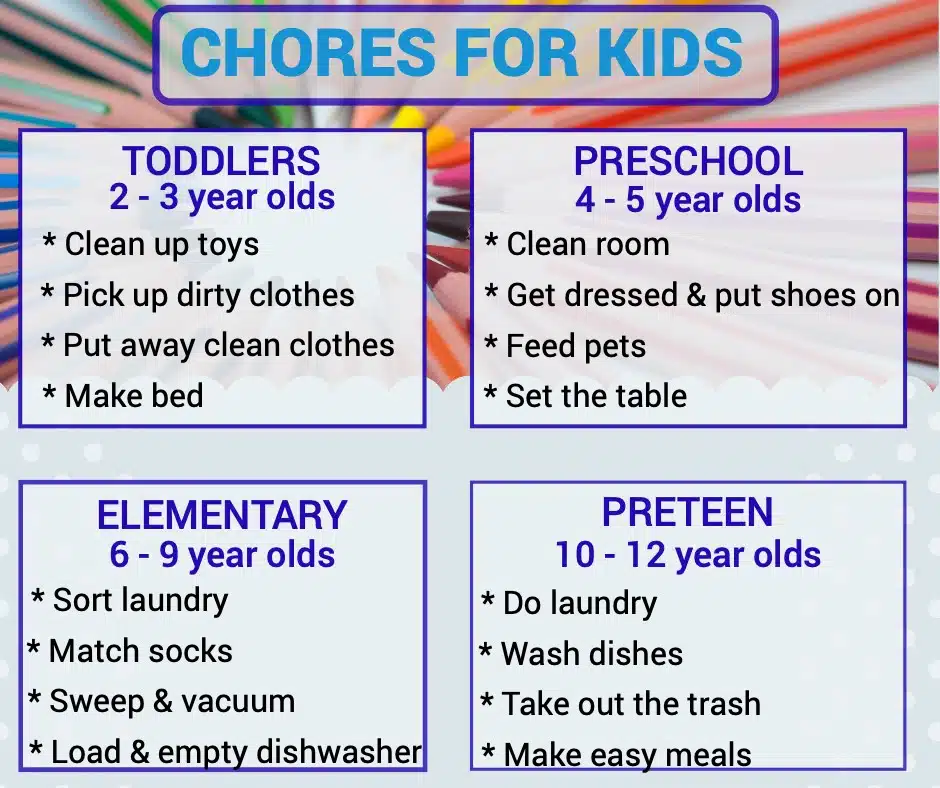
If your family is always on the move, juggling school, activities, and daily responsibilities, it’s easy to feel like there’s never enough time in the day. The constant hustle can leave you feeling overwhelmed and stretched thin. We’ve been there too! That’s why fostering independence in your child isn’t just beneficial for their growth—it can also lighten your load and reduce daily stress.
Encourage and Guide Your Child Toward Independence
It’s natural to think that letting kids do things on their own will take too long or won’t be done correctly. And yes, at first, their attempts may be messy or time-consuming. But with patience and practice, they’ll gain confidence in their abilities, and you’ll gain some much-needed relief. When we do everything for our children, we unintentionally take away valuable learning opportunities. Giving them small responsibilities in everyday tasks helps them develop essential life skills while also making them feel capable and proud of their achievements.
Establish Clear Expectations and Responsibilities
Children thrive when they understand what is expected of them. Setting clear guidelines helps eliminate confusion and gives them a sense of structure. Keep in mind that each child is unique—what works for one may not work for another. Tailoring tasks to your child’s strengths can help boost their confidence, making them more likely to take initiative. When kids see that they are capable of completing tasks on their own, they naturally become more independent.
Embrace Mistakes as Learning Opportunities
As parents, it’s hard to watch our kids struggle or fail. Our instinct is to step in and fix things for them. However, one of the most valuable lessons we can teach is that mistakes are part of learning. Instead of rushing to the rescue, encourage them to problem-solve and try again. When children understand that setbacks are normal and that they have the ability to overcome them, they build resilience and self-reliance—important traits that will serve them well into adulthood.
Introduce Life Skills Early
Even though adulthood seems far away for little ones, it’s never too early to start teaching fundamental life skills. Involve your child in everyday routines—let them help stir pancake batter on Saturday mornings, pick up their toys, or assist with folding laundry. As they grow, introduce age-appropriate financial lessons, such as saving allowance money or understanding basic budgeting. These small steps lay the groundwork for responsible, self-sufficient adults.
Independence Takes Time—Be Patient!
Teaching independence is a gradual process, not something that happens overnight. It requires patience, encouragement, and consistency. But over time, those small wins add up, and you’ll start to see your child develop confidence in their abilities. Before you know it, they’ll be proudly handling tasks on their own, ready to take on new challenges with a sense of accomplishment.
Fostering independence isn’t just about making your life easier—it’s about equipping your child with the skills and confidence they need to thrive. Start small, stay consistent, and watch them grow!