
When summer winds down, family life shifts gears and it’s time for a fall routine. Lazy mornings, flexible bedtimes, and unpredictable schedules give way to school-year routines filled with structure, learning, and activities. For little ones in infant, toddler, preschool, or Pre-K programs, this change can feel big — and it often shows up at home.
Why Kids Feel Tired in the Fall
During summer, children enjoy long days of play, later nights, and plenty of freedom. When September arrives, suddenly they’re adapting to:
- Early mornings and consistent schedules
- Busy classroom routines
- New friends and teachers
- Extracurriculars with older siblings
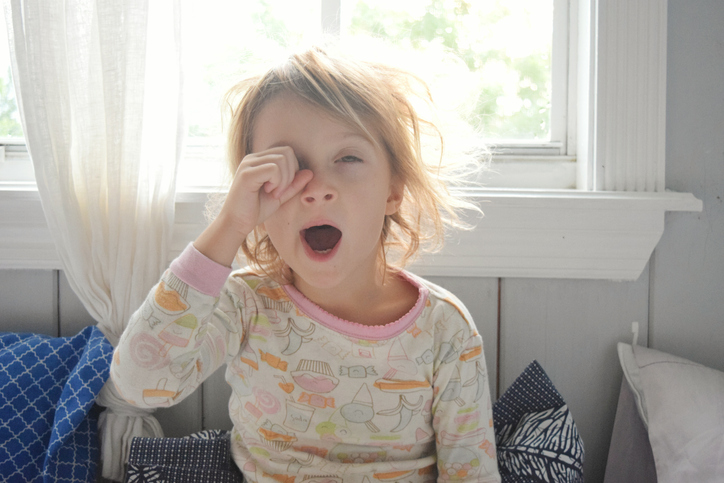
That’s a lot for small children to process! It’s normal for kids to come home tired, hungry, or a little cranky after a full day of fun and learning. These signs don’t mean they’re unhappy — they show your child is actively growing and adjusting.
Supporting Your Child at Home
You can make the transition smoother by keeping evenings simple and focusing on rest. A few strategies:
- Prioritize sleep with earlier bedtimes and steady routines.
- Offer healthy snacks right after school to refuel.
- Build in quiet time for reading, cuddling, or calm play before evening activities.
- Stay consistent with morning and bedtime rituals so children know what to expect.
For families balancing older siblings’ sports or lessons, a small pause — even 15 minutes of downtime at home — can help younger kids recharge before heading out again.
The Joy of Fall Routines
While routines take effort, they also bring joy. At the childcare center, fall is a season of new friendships, exciting classroom projects, and fresh skills. Whether it’s a toddler learning to share, or a preschooler recognizing letters, these milestones build confidence. Parents often notice positive changes at home too: more independence, stronger language, and greater resilience.
Communication Is Key
The best way to support your child during this transition is by keeping open communication with teachers. Share what you’re noticing at home, and ask about how your child is adjusting in class. Teachers can offer strategies, reassurance, and updates that give you a fuller picture of your child’s growth.
Final Thought
Adjusting to fall routines takes time, but with consistency and support, children thrive. As your little one comes home tired from a day of play, learning, and building friendships, remember — this is the good kind of tired. It means they’re growing, gaining confidence, and learning to embrace the rhythm of a new season.